


BLOG
Is Your Truck Crane Costing You Too Much? Learn How to Reduce Expenses
Is Your Truck Crane Costing You Too Much? Learn How to Reduce Expenses
Are rising Truck Crane Maintenance Cost Reduction measures eating into your profits? As a truck crane operator or fleet manager, you know how crucial it is to keep operational expenses under control without compromising safety or performance. This guide reveals practical strategies to optimize your Truck Crane operations, from preventive maintenance tips to fuel efficiency techniques. Discover how industry professionals are cutting costs while maintaining equipment reliability.
1. Preventive Maintenance: The Cornerstone of Cost Control
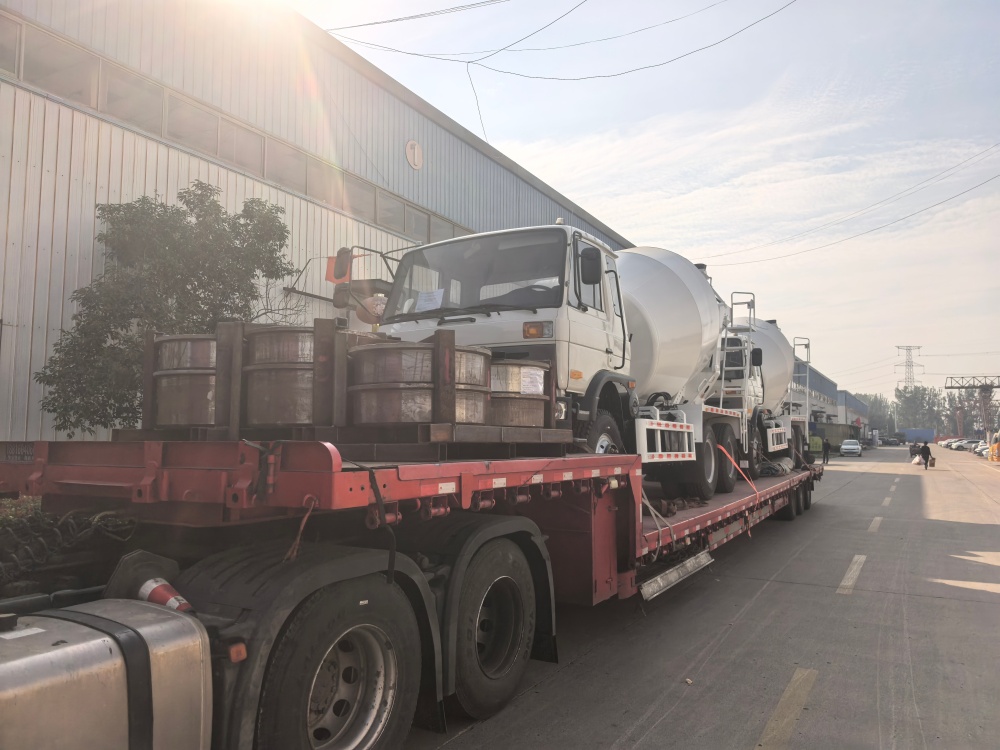
Implementing a rigorous preventive maintenance program can reduce Truck Crane Maintenance Cost Reduction by up to 25% annually. Start with daily inspections of critical components like hydraulic systems, wire ropes, and structural elements. Monthly professional check-ups should include torque verification on all bolts, lubrication of moving parts, and thorough examination of the Concrete Mixer Drum if your crane has mixing capabilities. Don't overlook the importance of using high-quality materials - for instance, our wear-resistant Q345B steel components significantly extend service life compared to standard materials. Document all maintenance activities using digital logs for better tracking and compliance with ISO 4309 standards for crane maintenance.
2. Fuel Efficiency Strategies That Deliver Results
Fuel consumption represents 40-60% of operational costs for most Truck Crane fleets. Optimize engine performance by implementing these proven techniques: First, train operators in eco-driving practices like gradual acceleration and maintaining optimal RPM ranges. Second, schedule operations during cooler hours to reduce air conditioning loads. Third, consider retrofitting older models with modern fuel injection systems. For cranes with mixing functions, the integrated Xinxiang radiator system (18 liters capacity) in our equipment helps maintain optimal engine temperatures, improving combustion efficiency by up to 8% compared to conventional cooling systems.
3. Smart Component Management for Long-Term Savings
Strategic component selection can dramatically impact your total cost of ownership. When replacing parts, prioritize durability over initial price - our 4mm thick alloy steel blades with wear-resistant strips typically last 30% longer than industry standard components. For hydraulic systems, implement contamination control programs as 75% of hydraulic failures stem from fluid contamination. The tripartite operation system (left/right side and cab control) in advanced models allows for more precise movements, reducing component stress. Remember that proper storage of spare parts is equally important; maintain them in climate-controlled conditions to prevent premature degradation.
4. Operator Training: Your Hidden Cost Reduction Lever
Investing in operator certification programs yields remarkable ROI. Skilled operators can reduce fuel consumption by 10-15%, decrease component wear by 20%, and minimize accident-related downtime. Focus training on: Proper load chart interpretation, smooth operation techniques to minimize shock loads, and understanding the 180° up/down discharge range limitations. For mixed-function cranes, emphasize the importance of maintaining the ≤0.5% discharge residual rate to prevent material buildup that strains the system. Consider implementing simulator training to practice complex maneuvers without risking actual equipment.
5. Technology Integration for Predictive Maintenance
Modern telematics systems can predict 85% of potential failures before they occur. Implement IoT sensors to monitor: Hydraulic pressure fluctuations, structural stress points, and the pneumatic water supply system's 400L tank levels. Cloud-based platforms can analyze this data to recommend maintenance before failures occur. For cranes with mixing functions, monitor the alloy steel head (5mm thickness) for wear patterns. These systems typically pay for themselves within 12-18 months through reduced downtime and optimized maintenance scheduling.
Why Choose Our Solutions?
Our engineering expertise goes beyond standard offerings - we've incorporated innovative features like the leakage receiving device that prevents environmental contamination and reduces cleanup costs. The Concrete Mixer Drum exemplifies our commitment to durability with its 4mm thick Q345B steel construction and wear-resistant alloy components. Whether you're managing a single Truck Crane or an entire fleet, our team can develop customized cost-reduction strategies based on your specific operational patterns and challenges.
Ready to transform your cost structure? Contact our specialists today for a free operational efficiency assessment of your Truck Crane operations.
Leave A Reply
We specialize in Aerial work platform truck, Concrete mixer truck, Truck crane, Concrete mixer Drum, Spider crane, Dumper truck, Road sweeper, Laser levelling machine, Pneumatic crane, Wheel loader and so on.
Contact
Get a Quote