


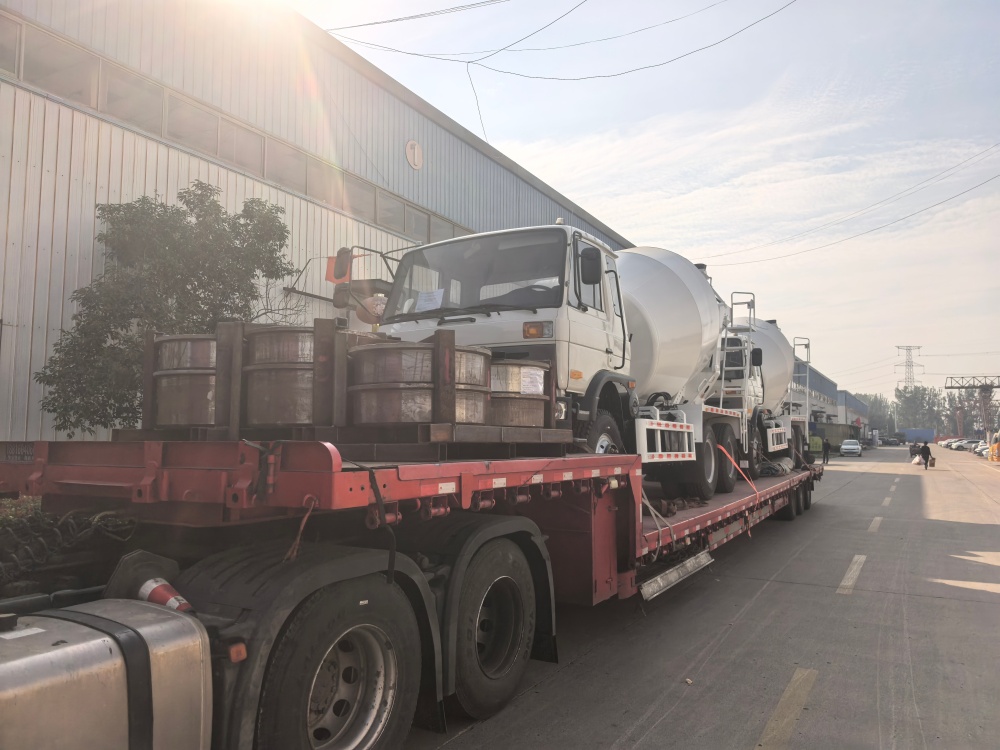
What type of high-strength, wear-resistant steel is used for the tank body of cement tanker trucks?
Discover the critical role of high-strength, wear-resistant steel in cement tanker bodies operating under extreme conditions. This guide explores the specialized steel alloys used for tank cylinders and blades, engineered to withstand abrasive cement mixtures while maintaining structural integrity. Perfect for operators, engineers, and procurement specialists seeking durable material solutions for harsh-environment applications.
Definition & Material Science Behind Cement Tanker Steel
High-strength steel for cement tankers combines chromium, molybdenum, and boron alloys to achieve exceptional hardness (500-600 HBW) while maintaining weldability. These steels are specifically designed to resist micro-abrasion from cement particles, which typically travel at 2-3 m/s during unloading. The microstructure features tempered martensite with carbide precipitates, providing impact resistance down to -40°C – critical for high-strength, wear-resistant steel applications in Arctic operations or desert environments with 50°C daily temperature swings.
Technical Performance: ASTM vs. EN Standards Comparison
Leading manufacturers utilize either ASTM A514 Grade T or EN 10025-6 S690QL1 steels, with key differences in:
- Yield Strength: 690 MPa (EN) vs. 760 MPa (ASTM)
- Charpy Impact: 40J at -40°C (both standards)
- Wear Rate: ≤0.8 mm³/Nm under ASTM G65 testing
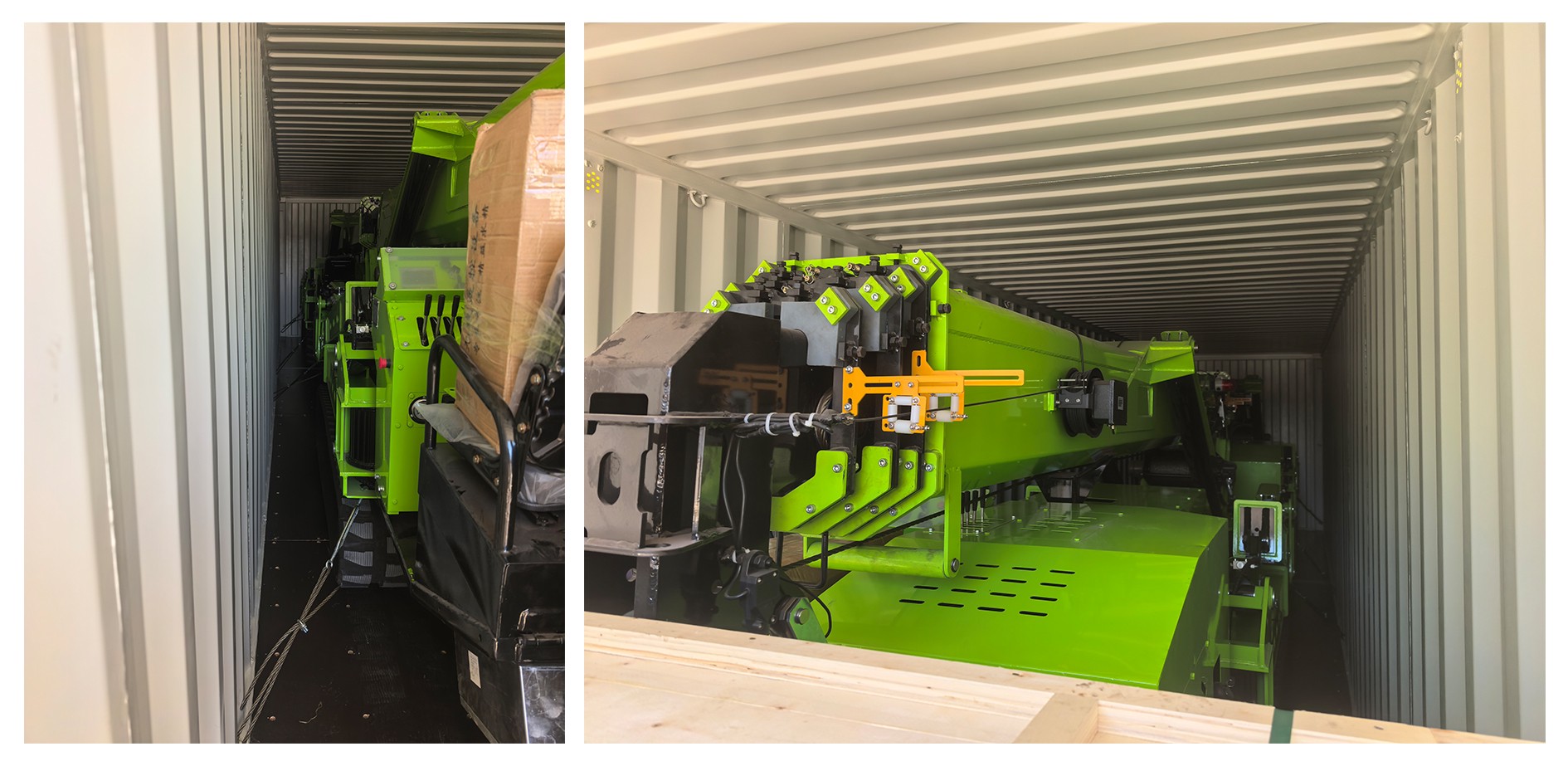
Our 12TON Truck Crane incorporates similar metallurgical principles in its 300mn straight through three layers frame, demonstrating cross-industry material innovation.
Procurement Guide: 5 Critical Selection Factors
When evaluating high-strength, wear-resistant steel for cement tankers, consider:
- Abrasion Resistance: Verify DIN 50320 test results showing ≤3% mass loss after 10,000 cycles
- Corrosion Protection: Look for Zn-Ni alloy coatings (12-15μm) meeting ISO 4520
- Weldability: CEV (Carbon Equivalent Value) should be ≤0.47% per EN 1011-2
- Fatigue Life: Minimum 2×10⁶ cycles at 350 MPa stress range (ISO 12107)
- Total Cost: Compare lifecycle costs including replacement frequency (typically 7-10 years)
Case Study: Arctic Cement Transport Solution
A Canadian operator achieved 40% longer service life by switching to our recommended steel blend:
Why Partner With Our Engineering Team?
With 15 years specializing in high-strength, wear-resistant steel applications across concrete mixer trucks, spider cranes, and 12TON Truck Crane systems, we offer:
- Material testing reports from TÜV SÜD and Lloyd's Register
- Custom alloy development for specific cement chemistries (sulfate-resistant, quick-setting, etc.)
- On-site wear pattern analysis using 3D profilometry
- Global supply chain with JIS, ASTM, and EN compliant stocks
Contact our metallurgy team today for your cement tanker steel evaluation – let's extend your equipment lifespan while reducing downtime.
Leave A Reply
We specialize in Aerial work platform truck, Concrete mixer truck, Truck crane, Concrete mixer Drum, Spider crane, Dumper truck, Road sweeper, Laser levelling machine, Pneumatic crane, Wheel loader and so on.
Contact
Get a Quote