


BLOG
Winter is coming, a complete guide to aerial work platform vehicle maintenance.
Five Major Challenges for Aerial Work Platforms in Winter:
Decreased Hydraulic System Performance:Low temperatures increase hydraulic oil viscosity and reduce fluidity.
Reduced Battery Efficiency:Battery capacity decreases at low temperatures, making starting difficult.
Embellished Metal Materials:Extreme low temperatures can increase the brittleness of structural components.
Lubrication System Failure:Lubricating oil solidifies, increasing component wear.
Decreased Operational Comfort:Cold weather affects operator reaction speed.
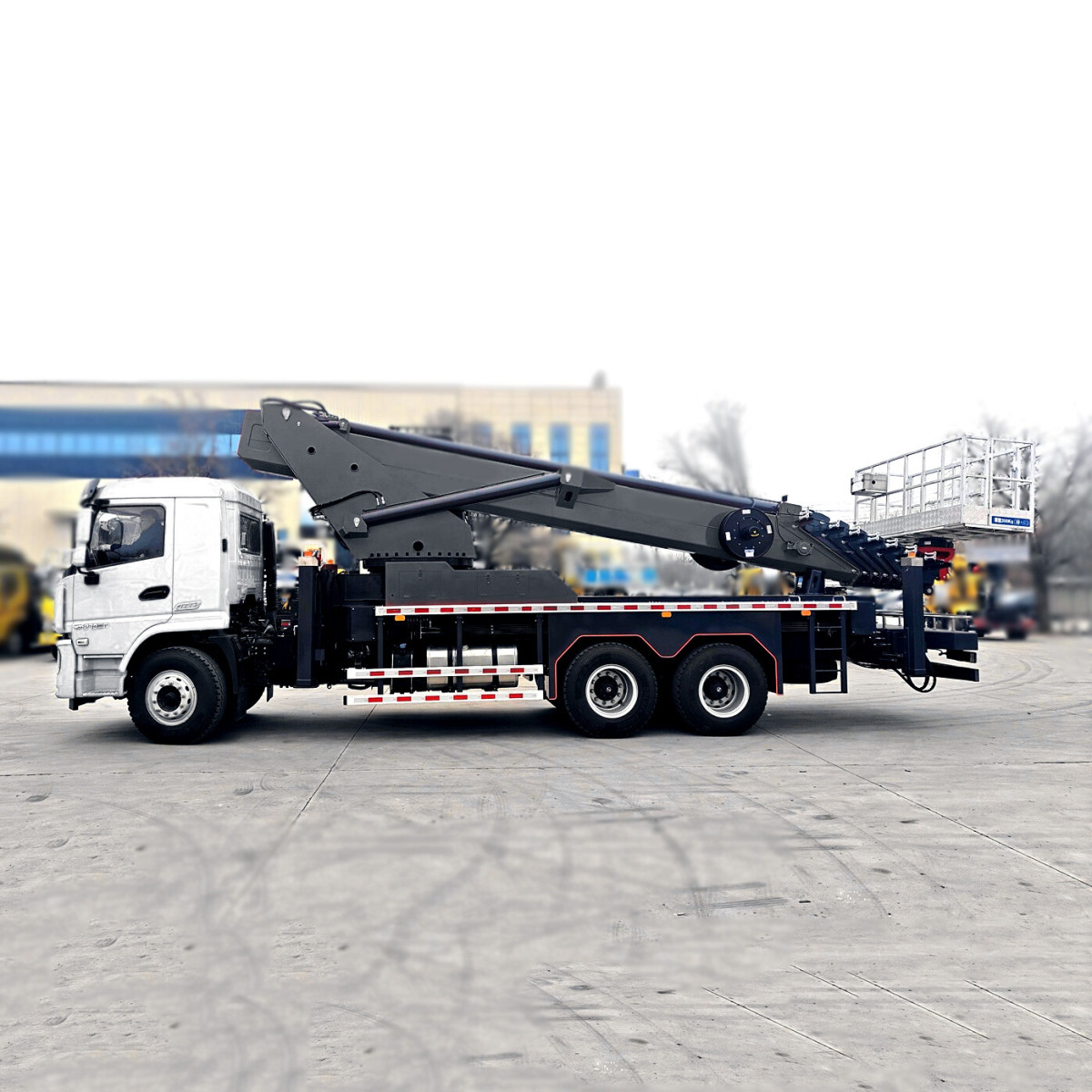
Core System Winter Maintenance Tips:
1. Hydraulic System Maintenance
Replace with Winter-Specific Hydraulic Oil:Choose hydraulic oil with good low-temperature fluidity (e.g., ISO VG32).
Preheating is Key: Warm up the hydraulic system at idle for 5-10 minutes before starting, gradually operating the system.
Inspect Seals:Low temperatures can harden seals; replace worn parts promptly.
2. Engine System Maintenance
Use Winter-Grade Engine Oil:Replace with low-viscosity winter-grade engine oil (e.g., 5W-30, 0W-40).
Cooling System Check:Ensure the antifreeze freezing point is at least 10°C lower than the local minimum temperature.
Fuel System Antifreeze:For diesel vehicles, use winter-grade diesel fuel and add antifreeze.
3. Electrical System Maintenance
Battery Warming: Use battery insulation covers to maintain sufficient charge.
Line Inspection: Check for cracks in the wire insulation and ensure connections are secure.
Charging System Maintenance: Ensure the generator is functioning properly and charge the battery promptly.
4. Maintenance of Structure and Operating Components
Comprehensive Inspection of Lubrication Points: Replace low-temperature grease, especially in critical rotating parts.
Wire Ropes and Slings: Check for embrittlement and avoid sudden stress.
Platform Control System: Test all control functions to ensure responsiveness.
Daily Winter Checklist
Before Departure:
Check engine oil and hydraulic fluid levels.
Test battery charge.
Check tire pressure (cold temperatures can cause tire pressure to drop).
Remove snow and ice from the equipment, especially the operating platform and ladders.
During Operation:
Pay attention to whether the hydraulic system's working pressure is normal.
Observe for any abnormal noise or vibration.
Monitor all parameters on the instrument panel.
After Returning:
Clean the equipment, especially areas with salt corrosion.
Drain condensate from the hydraulic system.
If possible, park the equipment indoors or cover it with a cold-weather cover.
Special Precautions for Winter Operation
Slow Start, Gentle Operation: All actions should be slightly slower than usual to avoid hydraulic shock.
Platform Anti-slip: Ensure the work platform is clean and dry; lay anti-slip mats if necessary.
Wind Restriction: Strong winds are common in winter; strictly adhere to equipment operating conditions. Maximum Operating Wind Speed
Shorten Continuous Working Time: Equipment and personnel fatigue faster at low temperatures.
Maintenance Strategies for Different Temperature Ranges
0℃ to -10℃: Routine winter maintenance, focusing on hydraulic oil and engine starting.
-10℃ to -20℃: Enhance battery insulation; consider using auxiliary preheating devices.
Below -20℃: It is recommended to suspend outdoor operations; special insulation measures must be taken if operations are necessary.
Professional Tips
Backup Plans: Prepare emergency starting power supplies and rapid preheating equipment.
Maintenance Records: Establish a dedicated winter maintenance log, recording each inspection and maintenance.
Personnel Training: Train operators on winter equipment characteristics and safety procedures.
Professional Support: Maintain communication with the equipment manufacturer to obtain targeted winter maintenance advice.
Emergency Handling
If the equipment exhibits the following conditions at low temperatures, please stop using it immediately:
Unusually slow response of the hydraulic system
Abnormal noise from critical parts
Unresponsive control system
Cracks or deformation found in structural components
Contact professional maintenance personnel immediately; do not attempt to operate the equipment yourself!
Conclusion
Winter maintenance of aerial work platforms is not an option, but a mandatory requirement. A comprehensive maintenance check not only extends equipment lifespan but also provides crucial protection for the safety of operators. Cold weather shouldn't lower operational standards; our safety awareness should only increase!
Safety is paramount, and timely maintenance is essential. If you have more experience or questions about winter equipment maintenance, please share them in the comments section!
Leave A Reply
We specialize in Aerial work platform truck, Concrete mixer truck, Truck crane, Concrete mixer Drum, Spider crane, Dumper truck, Road sweeper, Laser levelling machine, Pneumatic crane, Wheel loader and so on.
Contact
Get a Quote