


BLOG
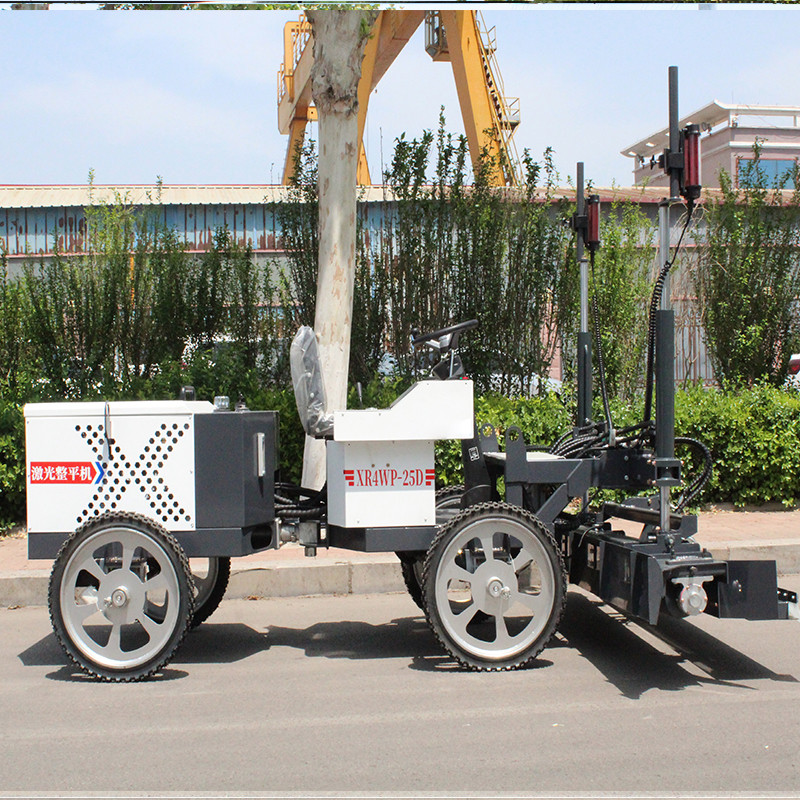
Winter Maintenance Guide for Laser Leveling Robots
Winter Maintenance Guide for Laser Screed Machines: Ensuring Precise Construction in the Cold
Four Core Challenges of Winter Construction
Maintaining Precision:
Low temperatures cause steel shrinkage, affecting equipment structural stability
Slower hydraulic system response, reducing leveling accuracy
Start-up and Operation Obstacles:
Difficulty starting the engine in cold conditions
Increased viscosity of hydraulic oil, resulting in poor flowability
Risk of Damage to Critical Components:
Reduced sensitivity of laser systems at low temperatures
Electrical components are susceptible to moisture corrosion
Decreased Operating Efficiency: Long preheating times shorten effective working time
Operator comfort affects construction quality
Core System Deep Maintenance Solution
1. Laser Positioning System (Protecting the Equipment's "Eyes")
Daily Maintenance
Clean the laser emitter lens using dedicated lens paper.
Check the laser receiver sensitivity and prevent condensation from affecting its performance.
Store in a dry, temperature-controlled environment, avoiding sudden temperature changes.
Accuracy Calibration
Perform a full system accuracy check weekly.
Ensure stable ambient temperature during calibration.
Record calibration data and establish a winter accuracy change curve.
Protective Measures
Equip the laser equipment with an anti-fog cover.
Use a dedicated waterproof protective cover in rainy or snowy weather. The laser head must be locked and covered for protection when moving the equipment.
2. Hydraulic and Leveling System (Equipment "Hands and Feet" Maintenance)
Hydraulic Oil Piping
Oil Selection: Replace with low-temperature anti-wear hydraulic oil (HV46 or lower viscosity recommended)
Replacement Cycle: Must be replaced before winter; check oil quality every 250 hours.
Oil Temperature Control: Install a hydraulic oil preheating device; oil temperature should not be lower than 10℃ before startup.
Leveling Head Maintenance
Scraper Inspection: Check for hardening and cracking of the rubber scraper.
Vibration System: Test vibration frequency stability and adjust to optimal winter parameters.
Lifting Mechanism: Lubricate all lifting points using low-temperature grease.
Standardized Preheating Procedure
1. Idle for 10-15 minutes after startup.
2. Slowly operate each hydraulic action for 5 minutes.
3. Preheat the leveling head with no-load vibration for 3-5 minutes.
4. Check that the system pressure reaches the normal operating range.
3. Power and Walking System
Engine Maintenance
Oil Upgrade: Replace with 5W-30 or 0W-40 fully synthetic oil.
Fuel Antifreeze: Use corresponding grade diesel fuel (-10#, -20#, -35#) for diesel vehicles.
Preheating System: Check and ensure glow plugs/flame preheating is working properly.
Cooling System: Antifreeze freezing point should be at least 10°C lower than the local minimum temperature.
Battery Maintenance
Battery Level Management: Check battery level after each workday and maintain above 75%.
Insulation Measures: Install a battery insulation box.
Cleaning and Inspection: Remove electrode oxides and apply special protective grease.
Walking Mechanism Maintenance
Track/Tire Inspection: Remove ice and snow.
1. Check for wear.
Drive chain: Adjust tension and replace with winter-grade lubricant.
Steering system: Check steering sensitivity and prevent excessively thick hydraulic fluid from affecting performance.
4. Electrical and Control Systems
Wiring harness protection: Inspect all cable insulation to prevent low-temperature brittleness. Apply waterproof and anti-oxidation grease to critical connectors. Organize wiring harnesses to prevent wear on moving parts.
Control panel maintenance: Install anti-fog film on the control panel. Regularly test buttons to prevent poor contact. Clean the display screen with a dedicated cleaning agent.
Sensor maintenance: Regularly calibrate tilt and height sensors. Protect sensors from direct contact with ice and snow. Establish sensor winter operating parameter files.
Leave A Reply
We specialize in Aerial work platform truck, Concrete mixer truck, Truck crane, Concrete mixer Drum, Spider crane, Dumper truck, Road sweeper, Laser levelling machine, Pneumatic crane, Wheel loader and so on.
Contact
Get a Quote